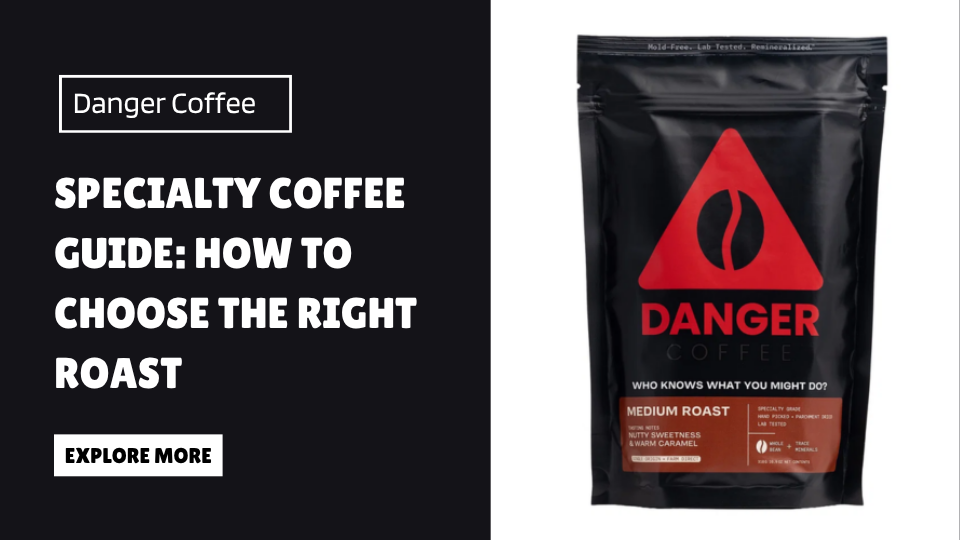
Choosing specialty coffee can feel surprisingly complicated when there are different roasts, formats, origins, and brewing methods to compare. The right choice depends less on finding one universally “best” coffee and more on understanding what fits your taste, routine, and preparation method. Roast level influences flavor, while whole bean, ground, instant, and pods offer different levels of convenience. Caffeine is another consideration, especially for people who drink several cups throughout the day. For shoppers interested in coffee with additional sourcing and processing information, Danger Coffee offers medium, dark, and decaf options in several formats. Its current range includes whole bean, ground, instant, compostable pods, and ceremonial-grade coffee, giving consumers several ways to build a coffee routine.
Why Specialty Coffee Matters
Specialty coffee is often associated with greater attention to bean quality, sourcing, roasting, and flavor. Instead of choosing only by price, shoppers can consider tasting notes, origin, roast profile, and how the coffee will be prepared.
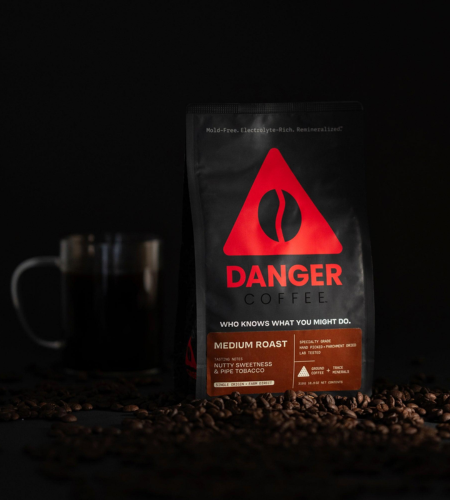
Medium roasts can offer a balanced flavor profile, while darker roasts are typically chosen by people who prefer deeper, more intense tasting notes. Decaf provides another option for consumers who want to enjoy coffee while significantly reducing caffeine.
The brewing method also matters. Whole beans allow you to grind coffee immediately before brewing, while ground coffee removes that extra step. Instant coffee prioritizes speed, and pods can simplify preparation even further.
Choosing the Right Roast
Your preferred roast is largely a matter of flavor.
Medium roast: Danger Coffee’s medium roast whole bean is described with nutty sweetness and pipe tobacco tasting notes. It can be a practical starting point for someone who wants a balanced specialty coffee experience.
Dark roast: The dark roast is described with notes of baker’s chocolate, nougat, molasses, and smoky oak. This profile may appeal to drinkers who prefer a fuller, bolder cup. The current 310g ground option is listed at $26.95.
Decaf: Danger Coffee’s decaf range uses the Swiss Water® Process. The ground decaf product is listed as approximately 99.9% caffeine-free and is available in 310g and 775g sizes.
Whole Bean, Ground, Instant, or Pods?
The best format depends on how you normally make coffee.
- Whole bean: Best suited to people who own a grinder and enjoy controlling the grind before brewing.
- Ground: Convenient for drip machines, French presses, pour-over equipment, and similar methods.
- Instant: Useful when preparation speed matters. Danger Coffee’s Instant Danger Coffee Powder can be mixed with hot or cold water and is listed at $39.95 for 56g and 14 servings.
- Compostable pods: A convenient option for compatible pod-based coffee makers. Danger Coffee currently lists its compostable pods at $28.95.
Thinking about your daily routine before selecting a format can prevent you from paying for features you will not use.
Key Features to Compare
When evaluating a specialty coffee, consider more than the label. Look at:
- Roast and tasting notes
- Bean origin and sourcing
- Whole bean versus ground format
- Caffeine or decaffeination information
- Recommended brewing methods
- Package size
- Current price
- Shipping terms
- Testing and processing information
Danger Coffee provides product-specific details for several of these factors. For example, its decaf ground coffee lists Central America as the source, a medium roast designation, fruity sweetness, and a medium grind suitable for several brewing methods.
How Danger Coffee Fits the Topic
Danger Coffee positions itself around a Remineralized™ coffee concept and highlights several characteristics across its range, including lab testing, single-origin sourcing, farm-direct sourcing, and its use of 50+ trace minerals. These are characteristics promoted by the brand, so shoppers should review the individual product information when comparing options.
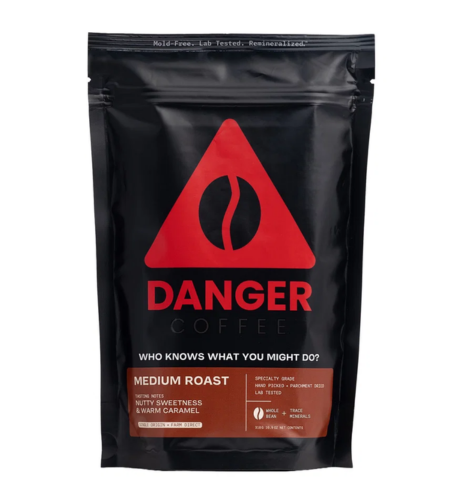
The store currently organizes its coffee selection around whole bean, ground, instant, decaf, ceremonial-grade, and compostable pod formats. That variety makes the brand relevant to different brewing preferences rather than limiting customers to one preparation style.
Pricing and Shipping
Current prices vary by product and package size. Several 310g whole bean and ground coffees start at $26.95, while decaf options start at $28.95 and Instant Danger Coffee is listed at $39.95.
Danger Coffee currently advertises free U.S. shipping on orders over $65. Shipping policies can change, so shoppers should verify the final delivery cost before placing an order.
Pros and Cons
Pros
- Multiple roast and format choices
- Whole bean, ground, instant, decaf, and pod options
- Detailed product information
- Brand emphasis on sourcing and testing
- Options for different brewing routines
Cons
- Specialty coffee can cost more than basic supermarket coffee
- Some brand-specific features may not matter to every coffee drinker
- U.S. shipping terms may be less relevant to international shoppers
Frequently Asked Questions
What should I look for when choosing specialty coffee?
Start with roast level, tasting notes, origin, format, brewing method, and package size. Then compare current pricing and product information.
Is medium or dark roast better?
Neither is universally better. Medium roast may suit people seeking a more balanced flavor, while dark roast can appeal to those who prefer deeper, more pronounced tasting notes.
Is Danger Coffee available in decaf?
Yes. Danger Coffee currently offers both decaf whole bean and decaf ground Remineralized™ Coffee.
Can I make Danger Coffee without a coffee grinder?
Yes. The store offers ground coffee, instant coffee, and compostable pods, so a grinder is not required for every format.
Is instant coffee convenient for travel?
It can be. Instant Danger Coffee is designed to be mixed with hot or cold water and is ready in seconds, making the format practical for situations where traditional brewing equipment is unavailable.
Unlock 10% Off With This Exclusive Code
Conclusion
Choosing specialty coffee becomes easier when you start with your actual routine instead of simply searching for the most expensive or heavily marketed option. Consider roast preference, flavor profile, caffeine needs, brewing equipment, convenience, and package size before deciding.
Danger Coffee provides several ways to approach that decision, from medium and dark whole bean coffee to ground, instant, decaf, and compostable pod options. Its product pages also provide details about sourcing, processing, tasting notes, and formats. If you are exploring specialty coffee and want to compare these characteristics in one store, visiting the current Danger Coffee collection is a practical next step.